
Property owners across California are keeping a closer eye on heating and cooling standards as the state responds to rising temperatures and changing expectations around habitability.
Recent legislation, including SB 655, shows that cooling systems are becoming a bigger part of California’s long-term housing policy. Landlords who understand these shifts now will be better prepared for future requirements and can protect their rental investments with smarter planning and maintenance decisions.
Key Takeaways
California requires rentals to maintain a minimum indoor temperature of 68 degrees.
There’s currently no statewide rule that requires AC or sets a maximum indoor temperature.
SB 655 directs agencies to establish a safe maximum indoor temperature standard starting in 2027.
Cooling systems are becoming more central to how the Legislature views habitability.
Landlords should begin preparing for possible cooling requirements through upgrades and preventive maintenance.
Advantage Property Management Services helps owners stay compliant and protect long-term ROI.
Current Heating Requirements in California Rentals
Heating is one of the most clearly defined habitability standards in California. State law requires every rental unit to maintain an indoor temperature of at least 68 degrees in all habitable rooms. This standard ensures that tenants have a safe and livable home during colder months and that owners provide basic heating equipment that can reliably reach this temperature.
Landlords are responsible for supplying permanent heating equipment that works as intended. Portable heaters don’t meet this requirement because they can’t guarantee consistent heat output and create potential safety hazards. When heating systems fail, owners need to respond quickly and complete repairs within a reasonable timeline. Prolonged heating issues can lead to habitability claims or rent withholding, and they can damage owner-tenant relationships.
Many owners rely on seasonal inspections to catch aging equipment or inconsistent performance before problems reach the level of a code violation. Heat output, thermostat accuracy, and proper airflow are all part of this routine care and often prevent more expensive breakdowns later.
Cooling Requirements and the State’s Current Rules
Cooling is handled very differently from heating in California law. At the moment, there is no maximum indoor temperature requirement, and rental units aren’t required to include air conditioning. Many properties do provide AC because it increases appeal and value, but the law doesn’t classify it as mandatory for habitability.
If a rental unit includes an installed cooling system, however, it needs to be maintained just like any other essential feature. Tenants can reasonably expect a system that was advertised or included at move-in to function properly. When the AC stops working in the middle of summer, it often becomes a high-priority repair even though it isn’t legally required.
Local ordinances may influence expectations in certain cities. Some jurisdictions have begun exploring temperature guidelines, cooling centers, or other heat response measures. While these local rules don’t dictate cooling requirements inside rental units, they reflect a broader shift in California’s approach to extreme heat.
What SB 655 Introduces
SB 655 marks the beginning of a policy shift in how the state views indoor cooling. While the bill doesn’t immediately set a maximum indoor temperature or require landlords to install AC, it establishes a clear direction for future regulations.
Here’s what the bill does in practical terms:
It sets a statewide policy that all dwelling units should be able to attain and maintain a safe maximum indoor temperature.
It requires relevant state agencies to consider that policy when creating or updating building standards, programs, and criteria beginning January 1, 2027.
It signals legislative intent that cooling plays an important role in safety and habitability.
This means California agencies will need to determine what a safe maximum indoor temperature looks like and how residential buildings should be equipped to meet that standard. The bill is a precursor to more defined cooling guidelines, and landlords should see it as an early opportunity to get ahead of expected changes.
Why the State Is Moving Toward Cooling Standards
Extreme heat events have become more common in California. High indoor temperatures can create serious health risks, especially for older adults, children, and tenants with medical conditions. As summers get hotter, lawmakers are treating cooling less like a comfort preference and more like a safety issue.
Tenants are also becoming more vocal about temperature concerns. Even without a legal standard, extremely hot indoor conditions can lead to disputes, complaints, or pressure to provide AC. The combination of public health concerns and tenant expectations has made cooling a focus for long-term policy planning.
Cooling has joined heating, plumbing, and electrical systems as an essential building component for many families. Owners who prepare early will be better positioned when new standards eventually take effect.
Steps Landlords Can Take Now
Landlords don’t need to wait for 2027 to adopt better heating and cooling practices. A few proactive steps can improve tenant satisfaction, reduce emergency repairs, and protect property value.
Evaluate your current HVAC systems
A system that works today may struggle as temperatures rise or as new standards develop. An HVAC inspection provides clarity on lifespan, safety, and performance. Technicians can identify issues such as poor airflow, outdated components, or inefficient cooling power.
Upgrade AC where feasible
Many owners upgrade cooling systems to stay competitive in their local rental market. A well-functioning AC unit helps attract tenants and reduces turnover. Upgrading insulation or sealing air leaks often improves performance without requiring a full system replacement.
Improve ventilation and energy efficiency
Simple improvements make a noticeable difference. These may include installing ceiling fans, adding shade structures, improving attic ventilation, or upgrading to energy-efficient windows. These upgrades keep units cooler and lower energy bills for the household.
Stay ahead of legal changes
Owners who monitor updates from California housing agencies will adapt quickly as rules evolve. SB 655 lays the groundwork for change, and more clarity will come as state agencies begin implementing the law in 2027.
Keep a record of all maintenance
Documentation protects landlords in the event of disputes. Heating and cooling repairs, inspections, and system upgrades should all be logged with dates and vendor details. Good record keeping also helps owners track equipment health over time.
Best Practices for Long-Term HVAC Maintenance
Heating and cooling systems last longer with consistent care. Seasonal maintenance is one of the smartest ways to prevent breakdowns and costly replacements.
A practical schedule includes:
Inspecting systems before summer and winter
Cleaning or replacing filters
Checking ductwork and airflow
Confirming thermostats work accurately
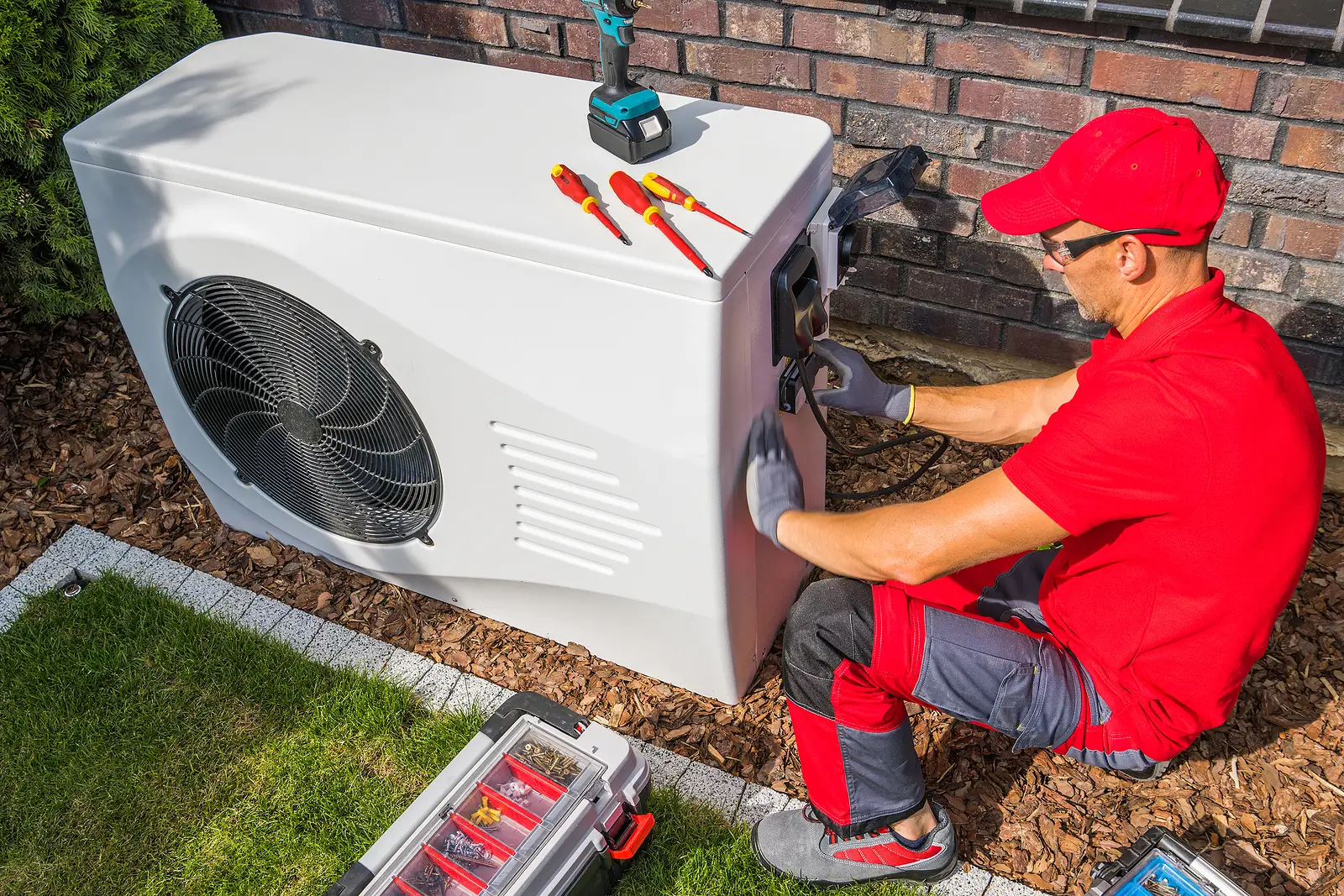
Ensuring outdoor units are clear of debris
Verifying carbon monoxide safety for gas-based systems
Professional HVAC vendors can provide more detailed reports and help owners plan for future replacement costs. A predictable maintenance routine keeps systems in better shape and helps avoid tenant complaints during extreme weather.
How Advantage Property Management Services Supports Owners
Advantage Property Management Services helps simplify compliance, maintenance, and long-term planning for heating and cooling systems. The team handles seasonal inspections, schedules HVAC service with trusted vendors, and ensures that repairs are completed quickly and correctly. Owners receive guidance on industry best practices and updates on changing California regulations so they can stay aligned with state and local standards.
By staying proactive, the company helps clients reduce liability risks, extend the life of their equipment, and deliver a comfortable living environment for tenants. This balanced approach protects both the property and the owner’s long-term financial goals.
Preparing for a New Era of Temperature Standards
California is entering a new phase of rental housing standards as the Legislature prepares for future cooling requirements and reinforces the importance of safe indoor temperatures. Heating rules are well established, and cooling expectations are evolving quickly. SB 655 offers a clear sign of what’s ahead, and owners who prepare now will be better positioned when more detailed guidelines arrive.
For hands-on support with inspections, HVAC planning, compliance, and long-term rental protection, Advantage Property Management Services is here for you. Contact us to learn more.
Additional Resources
The Keys to a Transparent Property Manager/Owner Relationship
Why Transparent Rental Pricing Matters More Than Ever for California Landlords
From Lease to License: Navigating California’s Law on Family Daycare Homes in Rental Housing